


The Backpacker & Youth Tourism Advisory Panel (BYTAP) has expressed deep concern over the Federal Government’s decision to increase Working Holiday Maker (WHM) visa fees by 25% from 1 July 2026, warning the move will damage Australia’s competitiveness as a destination for young international travellers.
From 1 July 2026, the cost of a Working Holiday (subclass 417) and Work and Holiday (subclass 462) visa has increased from $670 to $840, making Australia’s Working Holiday Maker visa the most expensive of its kind in the world. The increase comes alongside the introduction of a $1,000 application fee for a second or third year Working Holiday visa, which was previously $670.
BYTAP Chair Peta Zietsch said the changes would discourage young people from choosing Australia for their working holiday experience:
“Australia competes with countries such as Canada, New Zealand, Japan, and the United Kingdom for Working Holiday Makers”. In comparison, a visa to Japan currently costs Australians $156, and one to Canada costs under $400.
Ms Zietsch points out that Working Holiday visa agreements are built on reciprocity, with Australia having agreements in place with 50 countries. “There is a risk that partner countries will respond by increasing visa costs for young Australians, creating unnecessary barriers for Australian youth seeking overseas work and cultural exchange opportunities.”
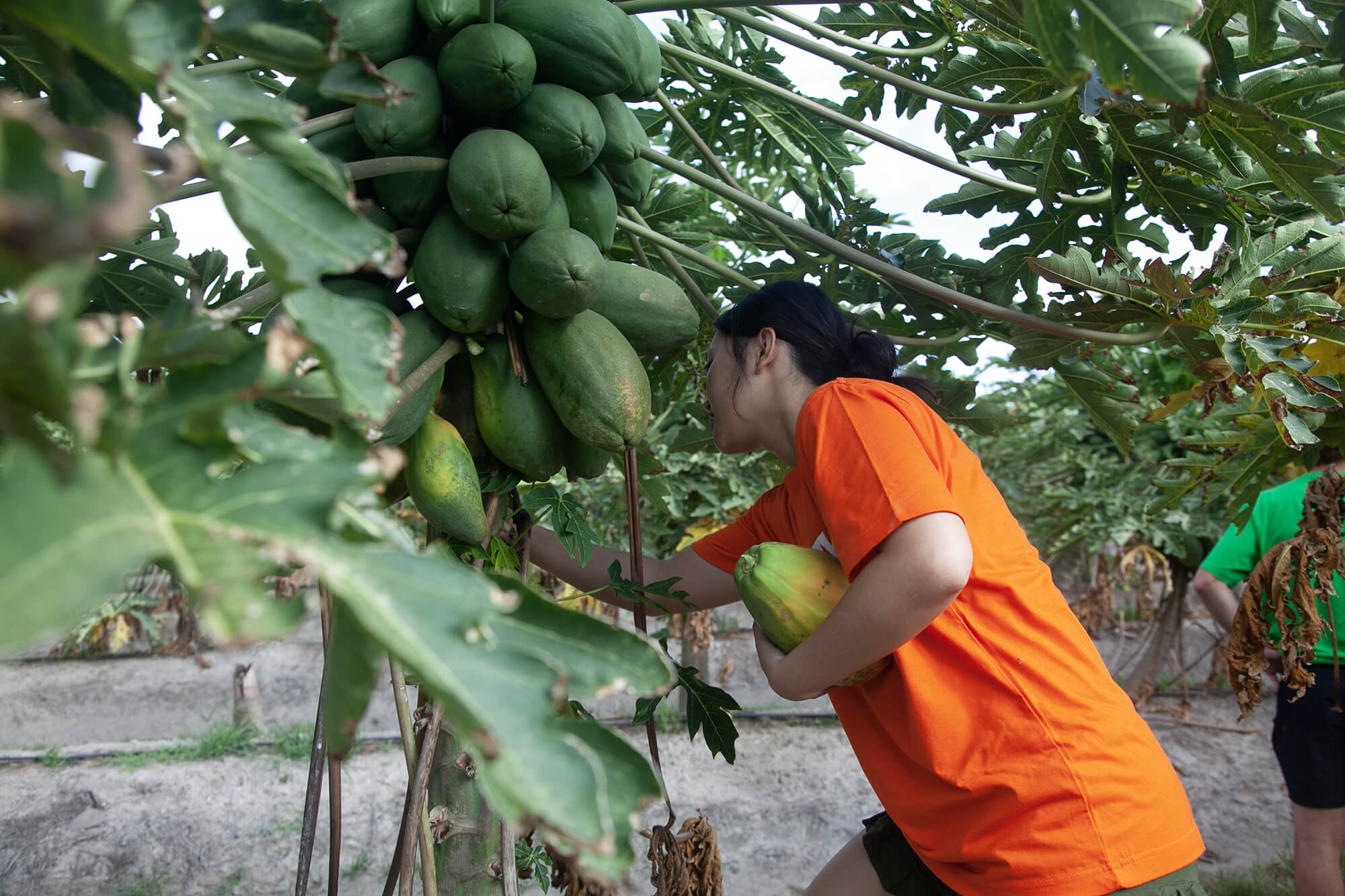
Ms Zietsch also warned that the increase could have wider consequences beyond inbound tourism that generates an estimated $1.5 billion contribution to Australia’s visitor economy. Any decline in arrivals will particularly hurt regional Australia, that benefits from the dispersed tourism and mobile agricultural workforce that Working Holiday Makers provide.
“Rather than making Australia less competitive through higher visa costs, we should be looking at ways to attract more young international travellers who contribute to our economy, support regional communities and strengthen Australia’s international relationships,” Ms Zietsch said.
For more information about BYTAP, the peak body representing Australia’s backpacker and youth tourism industry, supported by Youth Tourism NSW (YTNSW), Adventure Queensland (AQ) and Youth Tourism Victoria (YTV), visit www.bytap.org.
Media Contacts
Peta Zietsch, Chair, BYTAP
peta@sunlover.com.au
0418 772 445
Silke Kerwick, Secretary, BYTAP
contact@youthtourismnsw.org.au
0414 844 147
LATEST POSTS


The Backpacker & Youth Tourism Advisory Panel (BYTAP) has expressed deep concern over the Federal Government’s decision to increase Working Holiday Maker (WHM) visa fees by 25% from 1 July 2026, warning the move will damage Australia’s competitiveness as a destination for young international travellers.
From 1 July 2026, the cost of a Working Holiday (subclass 417) and Work and Holiday (subclass 462) visa has increased from $670 to $840, making Australia’s Working Holiday Maker visa the most expensive of its kind in the world. The increase comes alongside the introduction of a $1,000 application fee for a second or third year Working Holiday visa, which was previously $670.
BYTAP Chair Peta Zietsch said the changes would discourage young people from choosing Australia for their working holiday experience:
“Australia competes with countries such as Canada, New Zealand, Japan, and the United Kingdom for Working Holiday Makers”. In comparison, a visa to Japan currently costs Australians $156, and one to Canada costs under $400.
Ms Zietsch points out that Working Holiday visa agreements are built on reciprocity, with Australia having agreements in place with 50 countries. “There is a risk that partner countries will respond by increasing visa costs for young Australians, creating unnecessary barriers for Australian youth seeking overseas work and cultural exchange opportunities.”
Ms Zietsch also warned that the increase could have wider consequences beyond inbound tourism that generates an estimated $1.5 billion contribution to Australia’s visitor economy. Any decline in arrivals will particularly hurt regional Australia, that benefits from the dispersed tourism and mobile agricultural workforce that Working Holiday Makers provide.
“Rather than making Australia less competitive through higher visa costs, we should be looking at ways to attract more young international travellers who contribute to our economy, support regional communities and strengthen Australia’s international relationships,” Ms Zietsch said.
For more information about BYTAP, the peak body representing Australia’s backpacker and youth tourism industry, supported by Youth Tourism NSW (YTNSW), Adventure Queensland (AQ) and Youth Tourism Victoria (YTV), visit www.bytap.org.
Media Contacts
Peta Zietsch, Chair, BYTAP
peta@sunlover.com.au
0418 772 445
Silke Kerwick, Secretary, BYTAP
contact@youthtourismnsw.org.au
0414 844 147
LATEST POSTS
The Backpacker & Youth Tourism Advisory Panel (BYTAP) has expressed deep concern over the Federal Government’s decision to increase Working Holiday Maker (WHM) visa fees by 25% from 1 July 2026, warning the move will damage Australia’s competitiveness as a destination for young international travellers.
From 1 July 2026, the cost of a Working Holiday (subclass 417) and Work and Holiday (subclass 462) visa has increased from $670 to $840, making Australia’s Working Holiday Maker visa the most expensive of its kind in the world. The increase comes alongside the introduction of a $1,000 application fee for a second or third year Working Holiday visa, which was previously $670.
BYTAP Chair Peta Zietsch said the changes would discourage young people from choosing Australia for their working holiday experience:
“Australia competes with countries such as Canada, New Zealand, Japan, and the United Kingdom for Working Holiday Makers”. In comparison, a visa to Japan currently costs Australians $156, and one to Canada costs under $400.
Ms Zietsch points out that Working Holiday visa agreements are built on reciprocity, with Australia having agreements in place with 50 countries. “There is a risk that partner countries will respond by increasing visa costs for young Australians, creating unnecessary barriers for Australian youth seeking overseas work and cultural exchange opportunities.”
Ms Zietsch also warned that the increase could have wider consequences beyond inbound tourism that generates an estimated $1.5 billion contribution to Australia’s visitor economy. Any decline in arrivals will particularly hurt regional Australia, that benefits from the dispersed tourism and mobile agricultural workforce that Working Holiday Makers provide.
“Rather than making Australia less competitive through higher visa costs, we should be looking at ways to attract more young international travellers who contribute to our economy, support regional communities and strengthen Australia’s international relationships,” Ms Zietsch said.
For more information about BYTAP, the peak body representing Australia’s backpacker and youth tourism industry, supported by Youth Tourism NSW (YTNSW), Adventure Queensland (AQ) and Youth Tourism Victoria (YTV), visit www.bytap.org.
Media Contacts
Peta Zietsch, Chair, BYTAP
peta@sunlover.com.au
0418 772 445
Silke Kerwick, Secretary, BYTAP
contact@youthtourismnsw.org.au
0414 844 147


